


Ho Chi Minh City, 7 April 2026 — Viet Nam Tinh Hoa – The Futures School hosted the international education conference “Viet Nam – A Global Academic Crossroads”, bringing together leading academic perspectives connected with Harvard Project Zero, Stanford d.school and MIT Media Lab to explore new directions for education in Viet Nam and beyond.
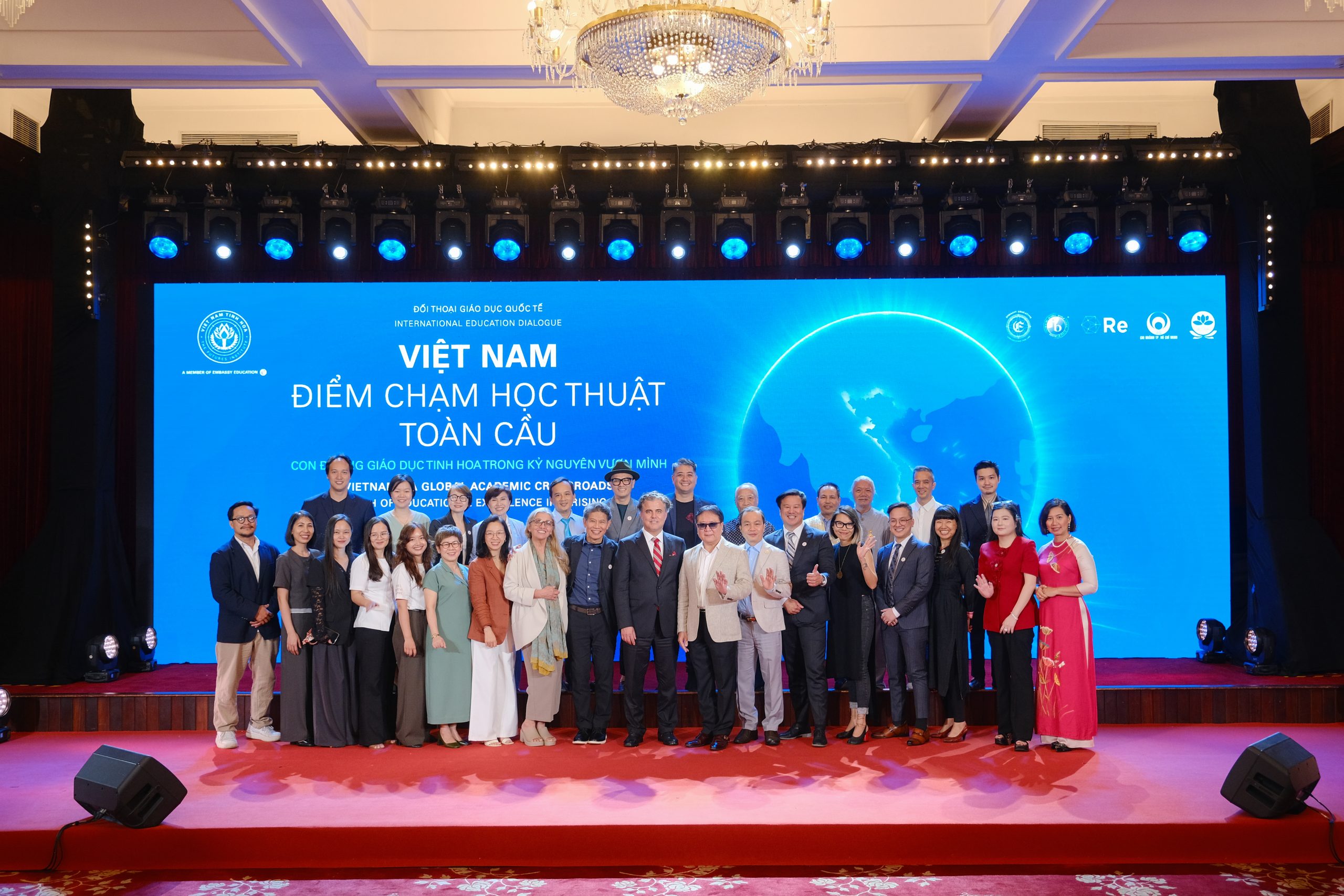
Held at Reunification Hall, Independence Palace, the conference marked an important milestone for Viet Nam Tinh Hoa and the Embassy Education ecosystem. The event opened a broader academic dialogue on how education can prepare young people for a changing world while helping them remain rooted in their identity, cultural depth and sense of purpose.
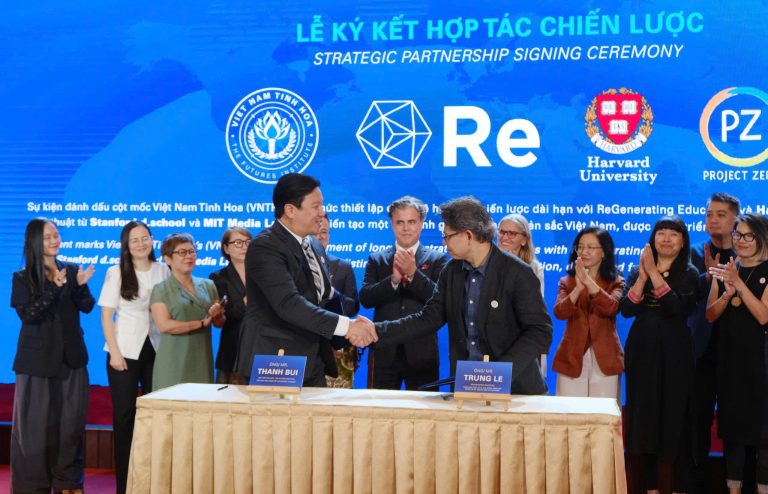
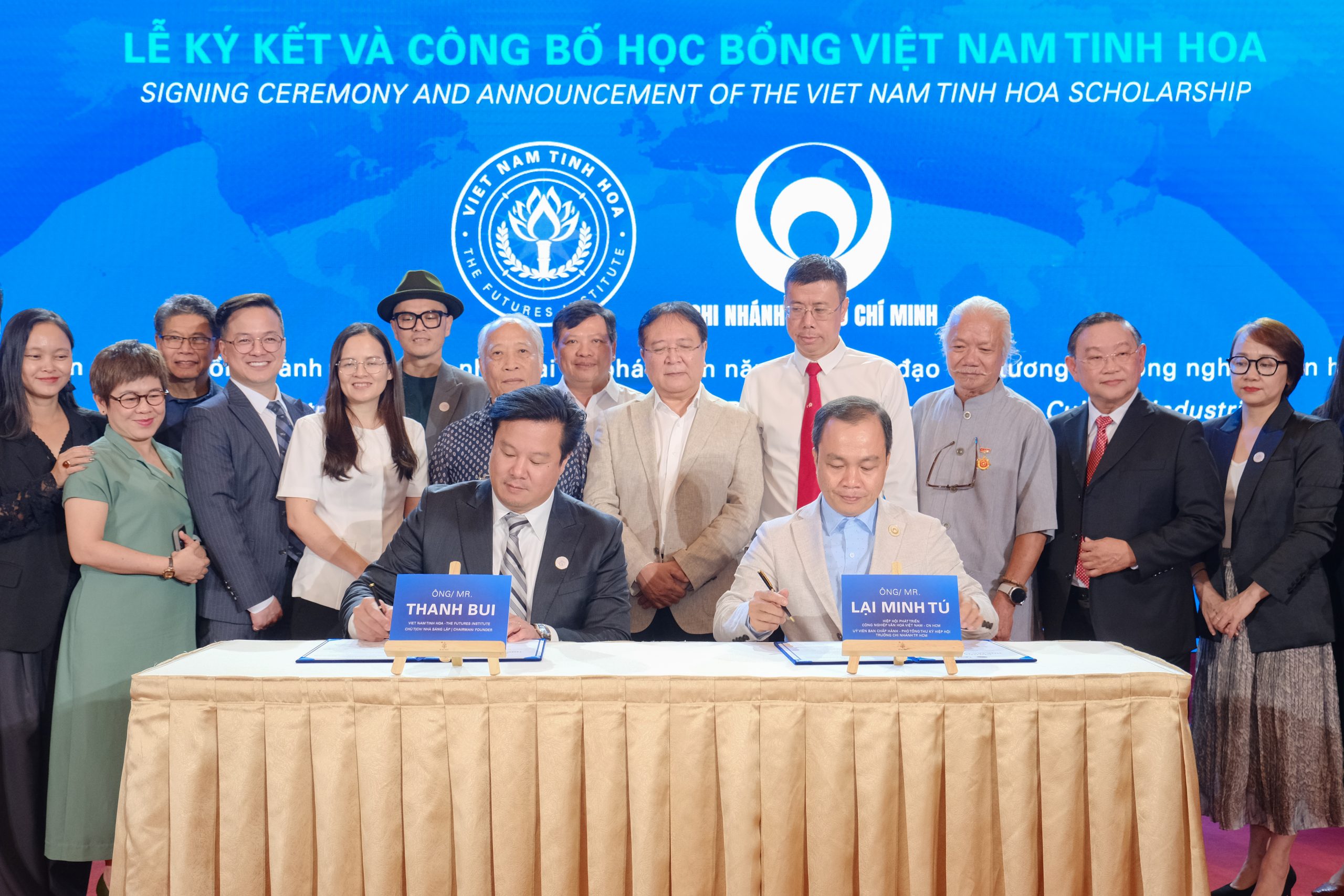
At the centre of the conference was a strategic partnership signing between Viet Nam Tinh Hoa – The Futures School and global academic legacies connected with Harvard Project Zero, Stanford d.school and MIT Media Lab. This milestone reflects VNTH’s direction in co-creating a distinctly Vietnamese model of educational excellence, one that combines academic depth, whole-child development and the recognition of each child’s unique potential.
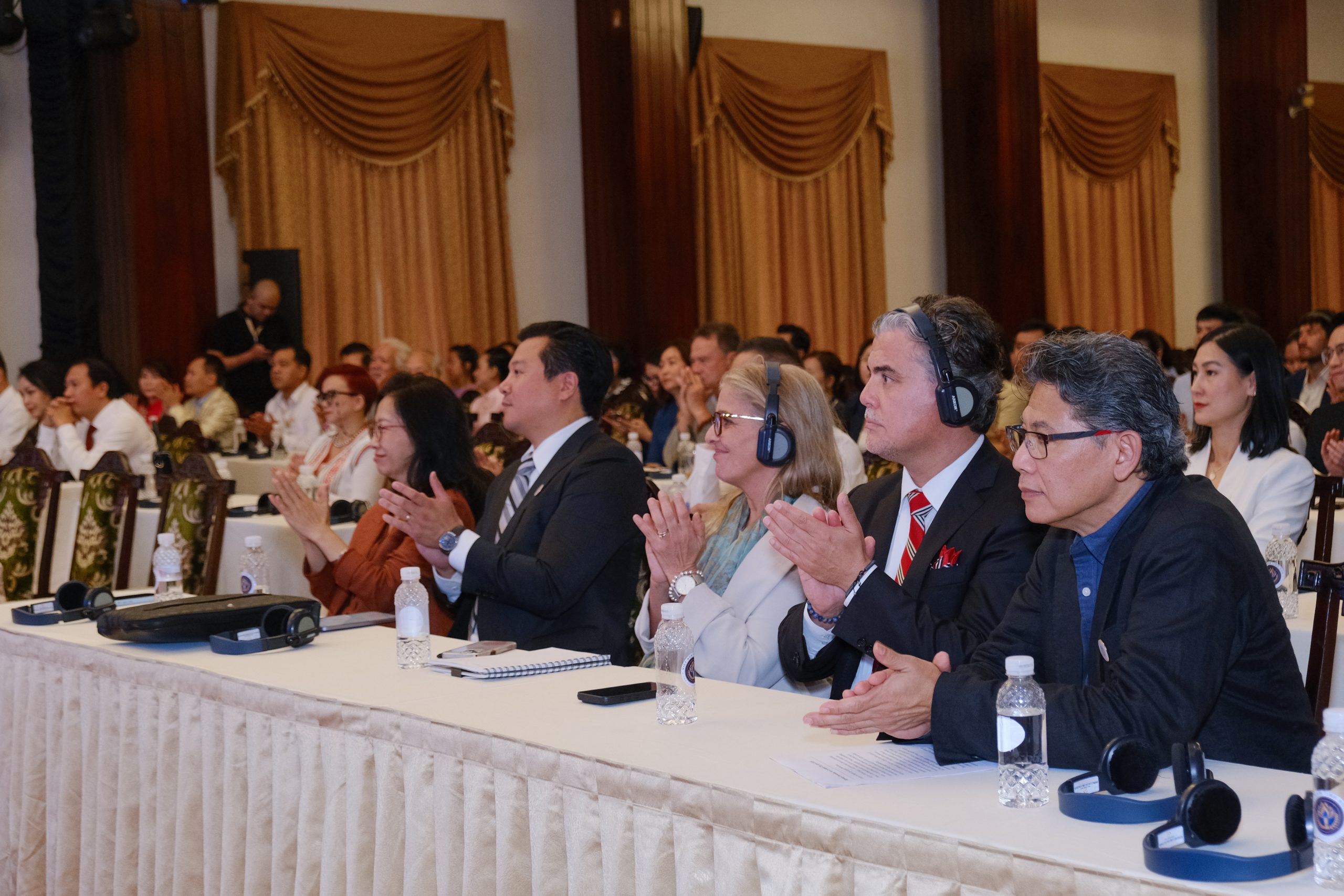
The discussion also addressed some of the most urgent questions facing education today. In a world being reshaped by technology and artificial intelligence, schools are being called to go beyond traditional models of achievement. Educational excellence is no longer only about academic performance. It is also about developing critical thinking, creativity, leadership, social responsibility and the ability to contribute meaningfully to society.
Speaking at the event, Mr Thanh Bui, Founder of Viet Nam Tinh Hoa – The Futures School and the Embassy Education ecosystem, emphasised the importance of building an open and inclusive educational ecosystem.
“For educational excellence to develop in the right direction and in a sustainable way, close coordination is needed among all stakeholders, including government bodies, schools, businesses and the wider community.”
He also highlighted the importance of fair access, so that educational excellence does not become the privilege of a small minority. Instead, it should become a strategy for nurturing talent from an early stage and supporting every individual to fulfil their potential.
The conference also featured perspectives on the changing role of knowledge creation in the age of AI. Mr Trung Le, Founder of ReGenerating Education, shared that academic work is no longer confined within the boundaries of university research. Instead, knowledge is increasingly formed through networks of interaction, dialogue and co-creation.
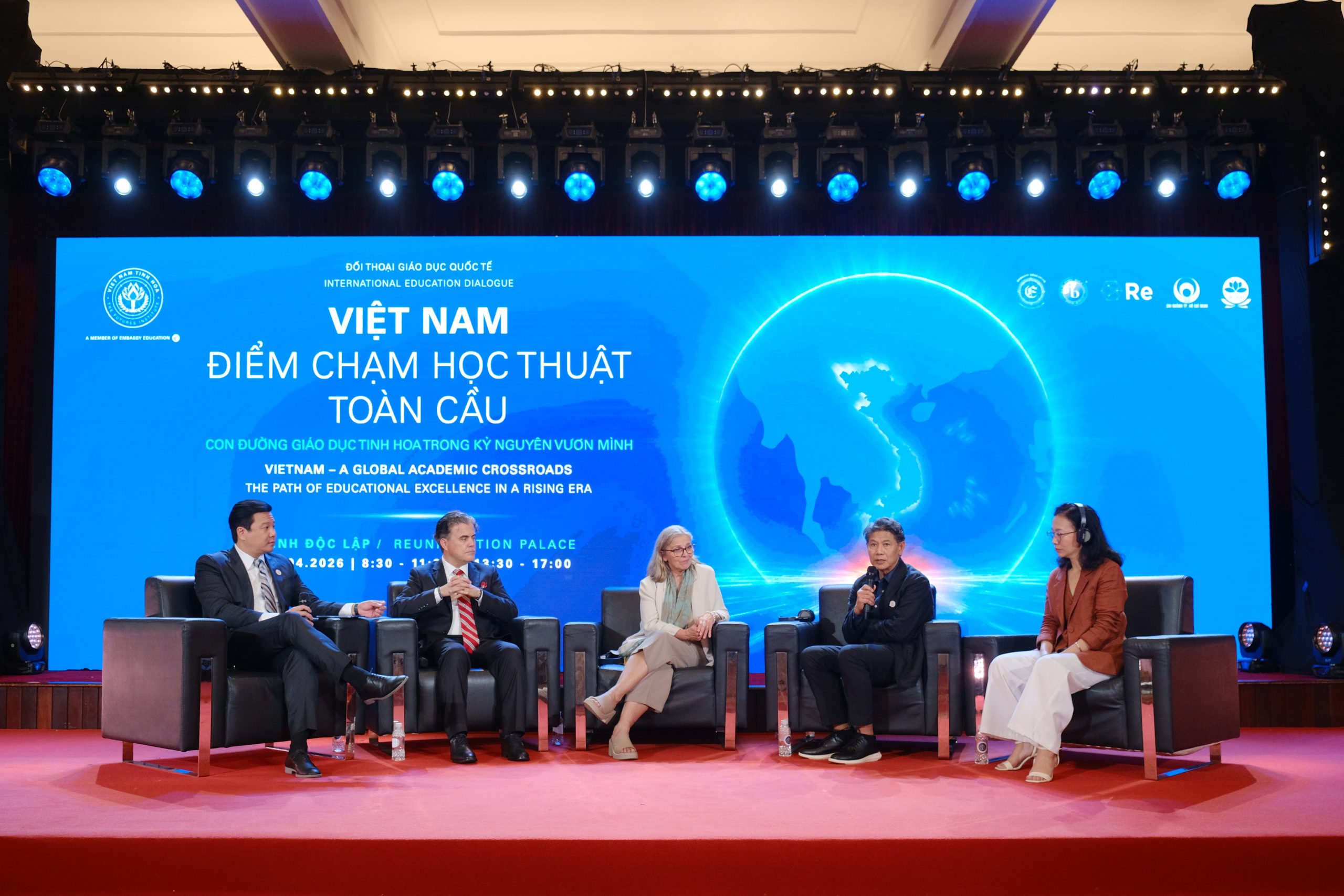
This idea of co-creation offers a new way to think about education. Rather than asking only who is the best, education can ask a more important question: how can more individuals be equipped with the capabilities needed to create knowledge that contributes to society?
From Harvard Project Zero, Dr Veronica Boix-Mansilla shared that global competence should not be treated as a single subject, but as a guiding framework for the entire education system. It is closely connected to the future of learning, where students are not only prepared to succeed for themselves, but also to contribute meaningfully to the world.
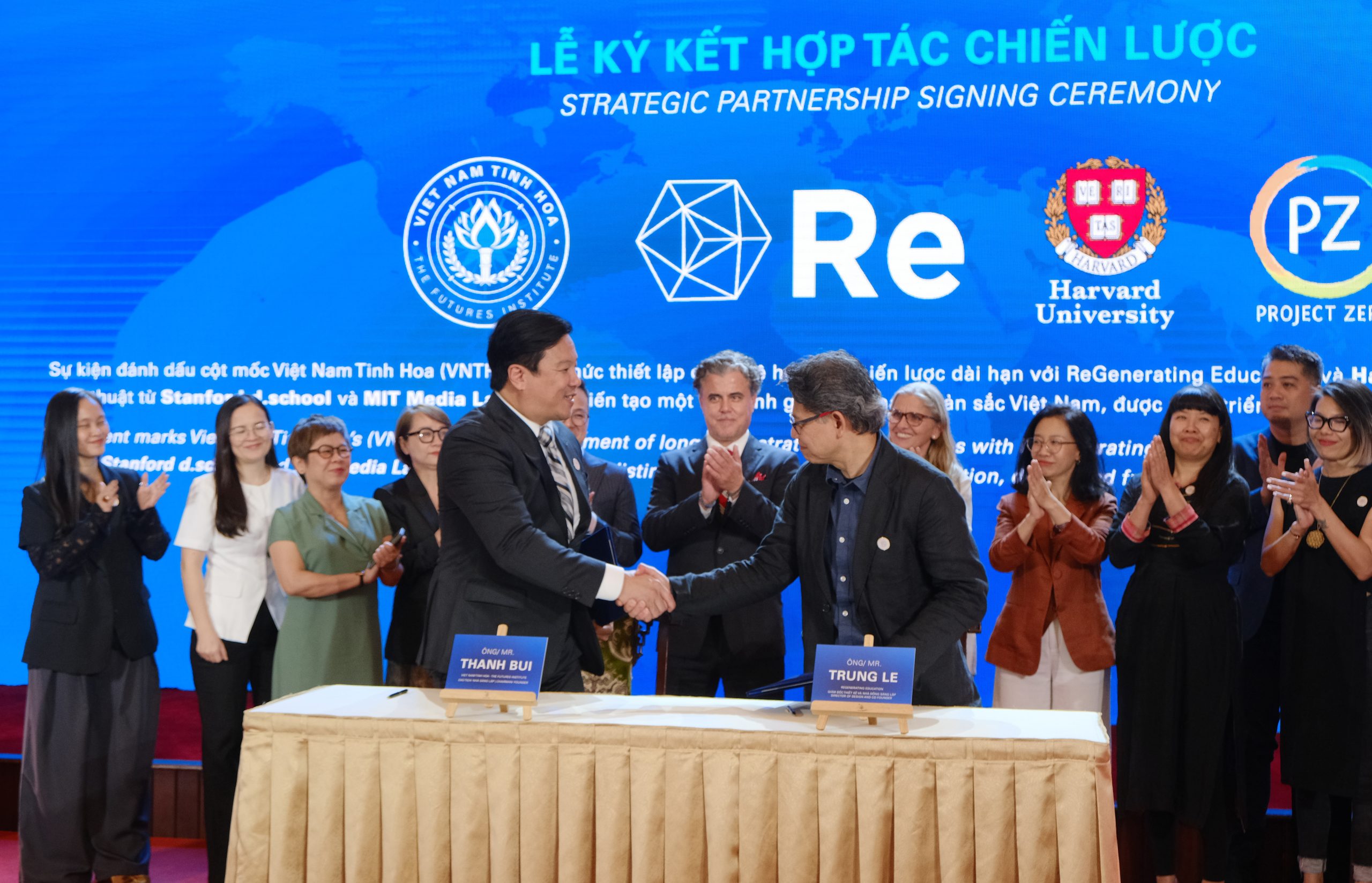
The event also introduced the work of three global academic institutions whose ideas continue to influence education, creativity and innovation around the world. Harvard Project Zero is widely known for its research on thinking, deep understanding and making learning visible. MIT Media Lab brings together technology, design, science and creativity to explore new ideas for the future. Stanford d.school, formally the Hasso Plattner Institute of Design at Stanford University, is recognised for advancing design thinking and human-centred approaches to creativity, problem-solving and innovation.
Through this conference, Viet Nam Tinh Hoa – The Futures School reaffirmed its commitment to developing an education model that is academically strong, human-centred and deeply connected to Vietnamese identity. As VNTH continues to grow, the school aims to create a learning environment where students are encouraged to think deeply, act with purpose and develop the capabilities to shape a better future.